How Far in Advance to Book Train Tickets in Europe
There is no single European booking window. The useful answer depends on the operator, the train type and whether your priority is the lowest fare or maximum flexibility.
For a fixed itinerary, start checking popular international, high-speed and sleeper trains as soon as the operator’s sales window opens—often three to eleven months ahead. France generally opens standard TGV INOUI and Intercités sales about four months ahead, many UK Advance tickets appear around twelve weeks ahead, and current Eurostar direct services can open ten to eleven months ahead. Regional trains usually do not require early booking.
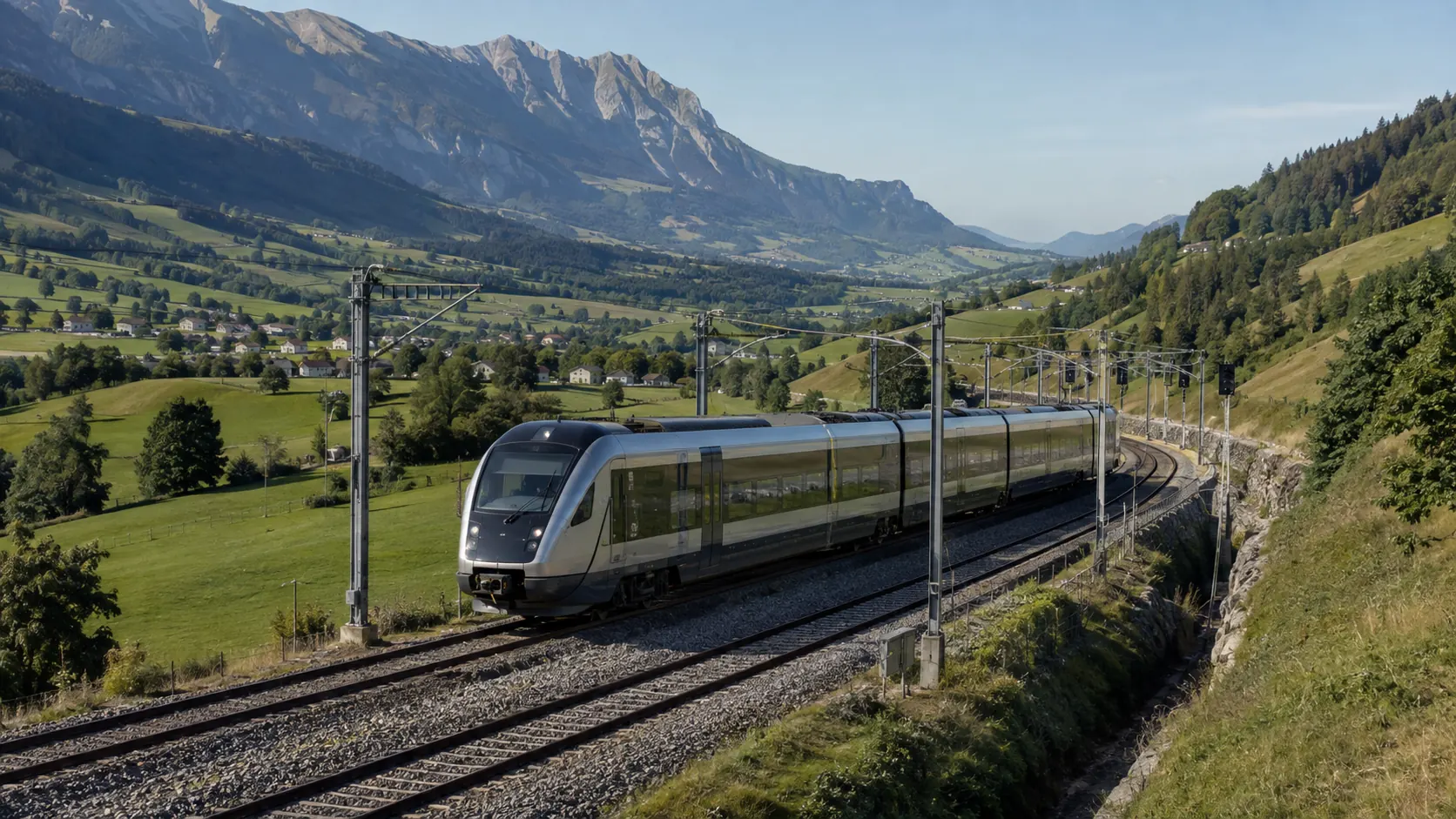
How far in advance to book train tickets in Europe
Use the following ranges as a starting point, not a promise. European operators release tickets on different schedules, and engineering work, seasonal timetables or a connecting operator can shorten the visible horizon.
| Train type | When to start checking | Why it matters |
|---|---|---|
| Eurostar and international high-speed | 4–11 months ahead | Cheapest tiers and pass-holder reservations can be limited |
| Domestic high-speed | 3–6 months ahead | Advance fares often rise as lower tiers sell |
| Night trains | 3–6 months ahead | Private sleepers and couchettes have limited capacity |
| UK intercity Advance fares | Around 12 weeks ahead | Timetable confirmation and engineering work affect release dates |
| Regional trains | Days ahead or on the day | Prices are often fixed and reservations unavailable |
A sale window tells you when booking becomes possible, not the exact day a fare becomes expensive. A quiet midweek train may stay affordable. A Friday evening before a holiday can climb quickly or sell out. Book according to the cost of losing your preferred train, not according to a universal countdown.
Current booking windows by major network
Eurostar: direct services can open 10–11 months ahead
Eurostar’s current help page says trains to or from London and services between France, Belgium, the Netherlands and Germany can be booked ten to eleven months in advance. Exceptions apply: journeys connecting with TGV, DB, SNCB or UK National Rail can have shorter windows because the partner train is not yet open.
Eurostar also publishes route- and season-specific sales pages, so a general promotional page may show a different horizon. For a direct journey, trust the live search and the current route-specific help page. For a connection, check each operator separately before assuming the through-ticket is unavailable.
Check Eurostar’s official advance-booking FAQ and seasonal sales guidance.
France: normally about four months for TGV INOUI and Intercités
SNCF Connect says that tickets normally become available four months in advance. It also uses special opening dates for Christmas, winter and summer periods. A whole block of travel dates can therefore open on one announced day instead of following a simple rolling four-month rule.
For popular school-holiday routes, opening day can matter. For an ordinary weekday outside peak periods, checking shortly after sales open is usually enough. OUIGO and international TGV products can follow their own calendar.
Use SNCF Connect’s live ticket-sales calendar and its TGV INOUI booking guidance.
Germany: many tickets can be sold up to 12 months ahead
Deutsche Bahn states that many trains and domestic seat reservations can be booked up to twelve months in advance, within timetable constraints. International booking horizons vary by partner country: some DB international saver fares are available twelve months ahead, while others open around six months ahead.
If no connection appears for a date near the annual timetable change, the train may not be loaded rather than cancelled. DB says the next timetable is normally released in mid-October. Wait for the timetable release and search again before changing the route.
See Deutsche Bahn’s official guidance on advance international booking and seat-reservation horizons.
Great Britain: Advance fares often open around 12 weeks ahead
National Rail says the timetable is normally confirmed twelve weeks before travel. Advance tickets for many journeys are released around the same horizon, but engineering work, public holidays and special events can delay confirmation. Some operators extend booking further ahead on selected routes.
An Advance fare is tied to the booked train and has limited availability. Buying early can reduce price, but it also reduces flexibility. If a change is likely, compare the saving with an Off-Peak or flexible ticket before committing.
Confirm the date through National Rail’s advance-booking calendar and Advance ticket rules.
Why early booking can save money
Many high-speed and intercity operators use limited fare buckets. The cheapest seats sell first, then the next price tier becomes visible. The train does not need to be nearly full for the lowest fare to disappear. Demand forecasts, day of week and travel season also influence availability.
Regional fares often behave differently. They may remain fixed, allow travel on any suitable train and offer no seat reservation. Buying such a ticket months ahead creates little saving and may add unnecessary change or refund restrictions.
When not to book immediately
- Your itinerary is not stable: a low fare is poor value if changing it costs more than the saving.
- Only part of a connection is on sale: waiting may unlock a protected through-ticket.
- The timetable is provisional: engineering work can alter departure times.
- You are comparing a rail pass: calculate the whole route before buying isolated non-refundable tickets.
- The journey is regional: there may be no price advantage to booking early.
If you are considering a pass, read how Interrail and Eurail work and our Eurail break-even guide before locking in the expensive legs.
A reliable booking order for a multi-country trip
- Build a realistic route with the Europe train route planner.
- Mark international, sleeper and compulsory-reservation trains.
- Check the official sales window for each operator.
- Book the hardest and least flexible journey first.
- Book hotels only after the key transport is confirmed or keep them refundable.
- Add domestic high-speed trains next.
- Leave flexible regional tickets until later unless the operator says otherwise.
- Save fare conditions and tickets offline.
For a route such as London–Paris–Amsterdam, Eurostar availability may be the limiting factor. For Italy, the high-speed legs matter more than local trains. Our London to Paris guide and Rome to Florence guide show how the strategy changes by route.
What if the train is not showing?
Do not assume that a missing train is sold out. First check whether your date is inside the operator’s booking window. Then search each leg separately, check the operator’s timetable announcement and look for engineering-work notices. A reseller cannot sell inventory that the operating railway has not released.
For international connections, one short-horizon train can hide the whole itinerary. Search the international leg and domestic leg independently. If both are available but the through journey is not, compare ticket protection carefully before buying separate tickets.
Frequently asked questions
How early should I book European trains?
Start with the operator’s opening date for fixed international, high-speed and sleeper journeys. Regional trains usually need much less advance planning.
Is six months too early?
No for some Eurostar, DB and night-train routes, but too early for operators whose timetables or sales have not opened. Check the official operator rather than a generic reseller calendar.
Do tickets always get more expensive?
No. Limited advance fares often rise, while many regional and flexible fares stay fixed or change less.
Why can I see a timetable but not buy a ticket?
A planning timetable can appear before fares and inventory are released. Wait for the operator’s sales opening.
Should I buy all journeys at once?
Not necessarily. Secure capacity-limited international and sleeper trains first, then flexible domestic and regional legs.
The practical booking rule
Book early when three conditions are true: your dates are fixed, the train uses limited fares or reservations, and the operator has released the complete journey. Wait when the timetable is incomplete or flexibility is worth more than the early discount. Europe has no single booking window; the official operator calendar is the source of truth.
Europe train travel guide
Choose routes, compare tickets and passes, and protect difficult connections.
Plan the full trip →Information checked August 23, 2026. Booking windows, timetable releases, fares and ticket conditions change. Verify the live calendar and conditions with the operating railway before purchase.